|
|
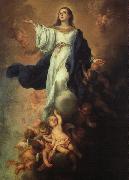
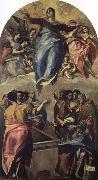
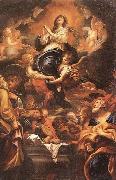
Assumption of the Virgin
c1678
Museo del Prado, Madrid
Painting ID:: 2769
|
|
|
|
|
|
|
|
|
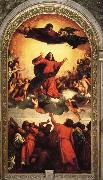
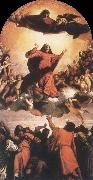
Assumption of the Virgin
mk68
Oil on wood
22'7"x11'9"
Venice,Church of the Frari
1516-1518
Painting ID:: 30476
|
|
|
|
|
|
|
|
|
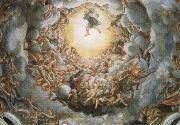
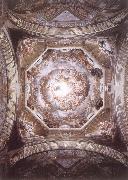
Assumption of the Virgin
mk68
Fresco
Parma,Parma Cathedral
1526-1530
Italy
Painting ID:: 30482
|
|
|
|
|
|
|
|
|
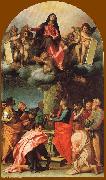
Assumption of the Virgin
1529
Panel, 239 x 209 cm
Painting ID:: 32228
|
|
|
|
|
|
|
|
|
Assumption of the Virgin
mk84
1577-79
Painting ID:: 32873
|
|
|
|
|
|
|
|
|
Assumption of the Virgin
mk156
1516-18
Oil on panel
690x360cm
Painting ID:: 40314
|
|
|
|
|
|
|
|
|
Assumption of the Virgin
mk156
1526-30
1093x1195cm
Painting ID:: 40330
|
|
|
|
|
|
|
|
|
Assumption of the Virgin
mk157
1516-18
Oil on canvas
690x380cm
Painting ID:: 41137
|
|
|
|
|
|
|
|
|
Assumption of the Virgin
1676
Oil on canvas,
294 x 194 cm
Painting ID:: 43578
|
|
|
|
|
|
|
|
|
assumption of the virgin
mk247
1516 to 18,oil on wood,272x142 in,santa maria gloriosa dei frari,venice,ltaly
Painting ID:: 56702
|
|
|
|
|
|
|
|
|
Assumption of the Virgin
237 x 169 cm Museo del Prado, Madrid Despite his training with Juan Carre?o de Miranda, Cabezalero had a distinct style from his master. His figures are drawn with crisp outlines and carefully modelled with firm, controlled brushstrokes, qualities that are different from the broken, impasto technique applied by Carre?o. These qualities are evident in one of his few surviving works, the Assumption of the Virgin, probably executed in the late 1660s and more indebted to Italian than Flemish sources
Painting ID:: 62360
|
|
|
|
|
|
|
|
|
Assumption of the Virgin
1506 Oil on wood, 131,5 x 130,5 cm Vasco Museum, Viseu This painting is a pivotal work in evaluating how the artist interpreted his decisive Flemish influences: the abundant and angular folds of the robes, the way he depicts the ringleted hair of the angels who minister to the Blessed Virgin or the manner in which he painstakingly paints with precise realism and poetic sentiment, the details and miniature forms of the upper background. , Artist: FERNANDES, Vasco , Assumption of the Virgin , 1501-1550 , Portuguese , painting , religious
Painting ID:: 63948
|
|
|
|
|
|
|
|
|
assumption of the virgin
painted 1577
158x90
the art institute of chicago
Painting ID:: 64033
|
|
|
|
|
|
|
|
|
assumption of the virgin
painted 1608-13
127x65
museum of san vicente, toledo
Painting ID:: 64084
|
|
|
|
|
|
|
|
|
assumption of the Virgin
o/c, 116,6 x 92,2 cm, Ackland Art Museum
Painting ID:: 71349
|
|
|
|
|
|
|
|
|
Assumption of the Virgin
Date 1530(1530)
Medium Oil on wood
cyf
Painting ID:: 77613
|
|
|
|
|
|
|
|
|
Assumption of the Virgin
Oil on canvas, 192 x 115 cm
Date 1583(1583)
cjr
Painting ID:: 79752
|
|
|
|
|
|
|
|
|
Assumption of the Virgin
1522-1523
Medium Oil on wood
cyf
Painting ID:: 82654
|
|
|
|
|
|
|
|
|
Assumption of the Virgin
Oil on canvas, 192 x 115 cm
Date 1583(1583)
cyf
Painting ID:: 83695
|
|
|
|
|
|
|
|
|
Assumption of the Virgin
Date between 1526(1526) and 1529(1529)
Medium Oil on wood
cjr
Painting ID:: 83973
|
|
|
|
|
|
|
|
|
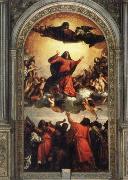
Assumption of the Virgin
Date between 1516(1516) and 1518(1518)
Medium Oil on wood
Dimensions Height: 690 cm (271.7 in). Width: 360 cm (141.7 in).
cjr
Painting ID:: 86898
|
|
|
|
|
|
|
|
|
Assumption of the Virgin
between 1516(1516) and 1518(1518)
Medium oil on panel
Dimensions Height: 690 cm (271.7 in). Width: 360 cm (141.7 in).
cyf
Painting ID:: 91682
|
|
|
|
|
|
|
Titian
Italian High Renaissance Painter, ca.1485-1576
Italian painter active in Venice. As a young man he was taught by the Bellini family and worked closely with Giorgione. His early works are so similar in style to Giorgione's as to be indistinguishable, but soon after Giorgione's early death Titian established himself as the leading painter of the Republic of Venice. Among his most important religious paintings is the revolutionary and monumental Assumption (1516 ?C 18) for Santa Maria dei Frari, in which the Virgin ascends to heaven in a blaze of colour accompanied by a semicircle of angels. Titian was also interested in mythological themes, and his many depictions of Venus display his work's sheer beauty and inherent eroticism. Bacchus and Ariadne (1520 ?C 23), with its pagan abandon, is one of the greatest works of Renaissance art. Titian was sought after for his psychologically penetrating portraits, which include portrayals of leading Italian aristocrats, religious figures, and Emperor Charles V. He reached the height of his powers in The Rape of Europa (c. 1559 ?C 62), one of several paintings done for Philip II of Spain. He was recognized as supremely gifted in his lifetime, and his reputation has never declined.
Assumption of the Virgin
between 1516(1516) and 1518(1518)
Medium oil on panel
Dimensions Height: 690 cm (271.7 in). Width: 360 cm (141.7 in).
cyf
|
|
|
|
|
|
|
|
|
| |
|